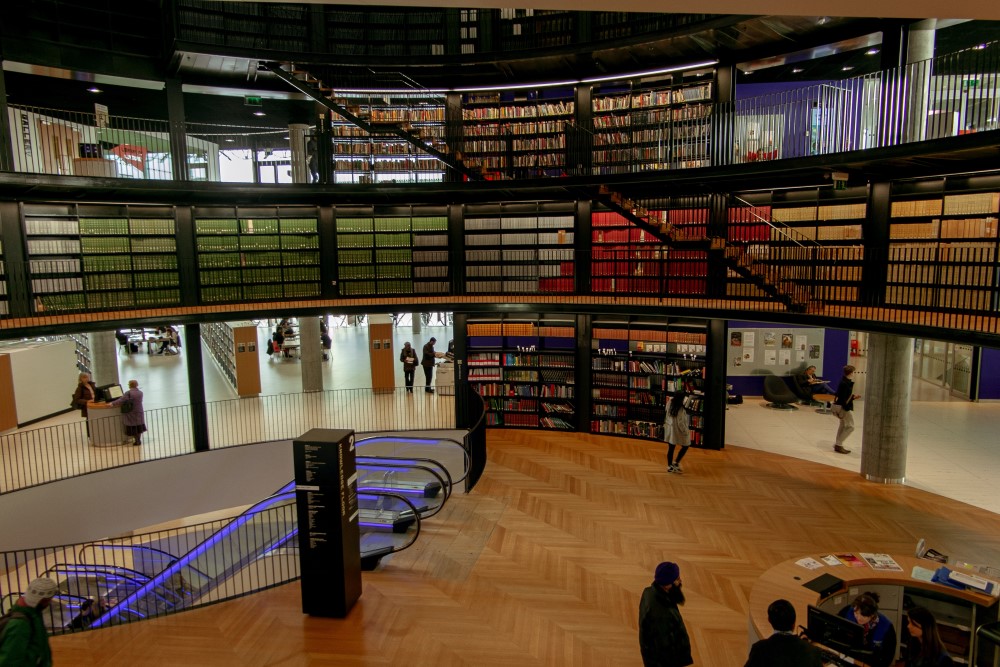
Credits to Olga Lioncat
Birmingham, Alabama has a rich history with art that dates back to the early 1900s. The city’s early residents recognized the importance of art in a community and made efforts to create an environment that was conducive to creativity and artistic expression.
During the early years of Birmingham’s development, the city was primarily focused on industrial development. However, in 1909, a group of forward-thinking individuals recognized the need for a cultural institution that would reflect the sophistication and opulence of Birmingham’s growing economy. After a successful fundraising campaign, the Birmingham Museum of Art was founded in 1951. Its mission was to provide access to fine art for local residents, as well as visitors from around the world.
The museum’s first home was a modest building located in Linn Park. It was an impressive structure for its time, but space limitations made it difficult for the museum to display a significant collection. In the 1960s, the museum received a generous donation from Birmingham philanthropist George Ward. The funds were used to construct a new building that would allow the museum to expand its collection and programs.
The new museum opened in 1959 and included galleries, classrooms, and administrative offices. It was designed by architect Warren Knight and had a modernist feel to it. The building became an instant landmark in the city and helped establish the museum as a cultural institution of national significance.
Throughout the 1960s and 1970s, the museum continued to acquire new works of art, both through donations and purchase. By the early 1980s, the museum had acquired an impressive collection that reflected a diverse range of artistic styles and movements. Major holdings included American paintings from the 19th century, contemporary art, Asian art, and decorative arts.
In 1993, the museum received another gift from a prominent Birmingham businessman named Charles Ireland. The gift included over 3,000 works of art, including paintings, sculptures, and decorative arts. The collection was valued at over $10 million and represented one of the most significant donations in the museum’s history.
The Birmingham Museum of Art has always been committed to providing access to art for everyone. To this end, the museum has established several programs that are designed to engage and educate a diverse audience. One of these programs is the Museum School, which offers classes and workshops for all ages, from toddlers to adults. The school’s courses cover a broad range of topics, including drawing, painting, sculpture, printmaking, photography, and digital media.
In addition to the Museum School, the museum also offers a variety of programs that are designed to engage visitors of all ages. These include guided tours, lectures, film screenings, and hands-on activities. The museum also hosts special events throughout the year, including concerts, art fairs, and festivals.
One of the most important events in the museum’s history occurred in 1963. That year, the museum hosted a groundbreaking exhibition called “The Negro in American Art.” The exhibition was the first of its kind in the United States and featured works by prominent African American artists such as Romare Bearden and Jacob Lawrence. The exhibition was controversial at the time because it challenged the racial prejudices that existed in Birmingham and other parts of the country. However, it was also a critical success and helped establish the Birmingham Museum of Art as an institution that was committed to diversity and inclusivity.
Today, the Birmingham Museum of Art continues to be a vital cultural institution that plays an essential role in the city’s artistic and educational communities. Its collection has grown significantly over the years and now includes over 27,000 works of art from around the world. The museum’s mission remains the same as it was over 100 years ago: to provide access to art for everyone.
In recent years, the museum has expanded its reach beyond Birmingham to become a regional and national leader in the arts. It has collaborated with other museums and cultural institutions to organize major exhibitions, including a retrospective of the works of renowned artist Kerry James Marshall.
The Birmingham Museum of Art has also made significant efforts to engage with local communities and increase access to art for underserved populations. The museum has partnered with schools and community organizations to develop educational programs that use art to inspire creativity and critical thinking. It has also worked to make its collections more accessible to those with disabilities by providing audio guides, sign language interpretation, and other resources.
The Birmingham Museum of Art is a testament to the importance of art in a community. As one of the oldest and most respected cultural institutions in the South, it has played an essential role in shaping Birmingham’s identity as a city that values creativity and diversity. Through its collections, programs, and outreach efforts, the museum continues to be a beacon of inspiration and education for generations of artists and art lovers.