Credits to Pixabay
Birmingham, Alabama, located in the southern United States, has a rich and diverse culinary history that reflects the city’s deep roots in southern hospitality and multicultural influences. From the early days when settlers arrived to mine iron ore and coal to the present day, Birmingham’s culinary scene has been shaped by its people’s ingenuity, creativity, and love of good food.
The first settlers of Birmingham were attracted to the city because of the abundant natural resources in the area, namely iron ore and coal. These resources spurred the growth of the city’s steel and iron industries, which brought thousands of workers to Birmingham in search of work. Many of these workers were from rural areas and brought with them their own unique culinary traditions. With the influx of people from different cultural backgrounds, Birmingham’s food scene started taking a turn toward what would eventually become the fusion of many different flavors that make up Birmingham’s culinary landscape today.
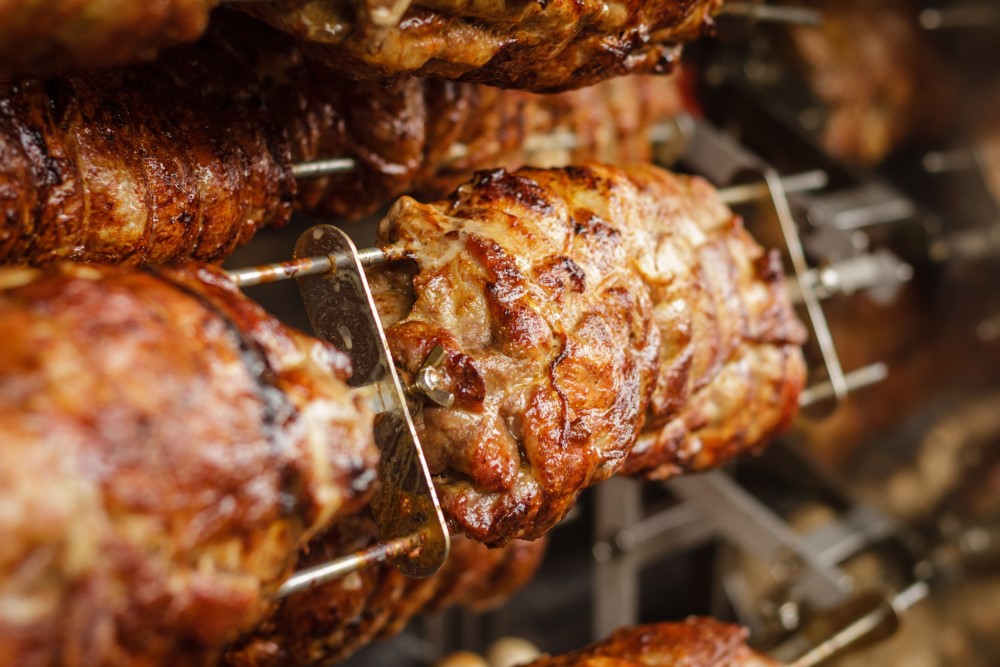
One of the earliest food traditions to take root in Birmingham was barbecue. The city’s proximity to the state of Alabama’s agricultural industry meant that there was no shortage of meat, and barbecue became a popular way to cook it. The first barbecue restaurants didn’t open in Birmingham until the 1920s, but it wasn’t long before the smell of roasting pork drew people in droves to these new establishments.
Early barbecue restaurants served primarily pork shoulder or ribs cooked over a pit with a blend of smoking hardwoods like hickory and oak for flavor. Sauces were typically vinegar-based and served on the side, often with a slice of white bread for sopping up any extra sauce. As time passed barbecue became a staple of Birmingham’s culinary culture with each restaurant having their sauce recipe unique to them.
Another food tradition that’s been closely associated with Birmingham throughout its history is soul food. During the Jim Crow era, many southern black families migrated to Birmingham in search of work. They brought with them their traditional southern cuisine of collard greens, fried chicken, and cornbread, and established businesses as cooks, bakers, and caterers. Often, these businesses began in their kitchens, serving the community from their own homes. As their businesses grew, they moved into storefronts and became part of the vibrant food scene in Birmingham. Soul food can be found in Birmingham to this day, and it continues to be a popular and beloved cuisine.
Along with barbecue and soul food, Birmingham has also been shaped by its Italian influences. In the late 1800s, Italian immigrants began arriving in Birmingham with the hope of finding work in the steel and iron industries. These immigrants brought with them their culinary traditions and established businesses that specialized in homemade pasta dishes and other Italian fare. Today, Birmingham boasts several authentic Italian restaurants that showcase the city’s strong Italian heritage.
As Birmingham grew throughout the 20th century, it became a major center for civil rights activism. Many activists involved in the movement stayed in Birmingham for extended periods, which helped bring new and different cuisines to the area. This exposure to new cultures helped shape Birmingham’s culinary scene in new and exciting ways.
One example of this is the emergence of fusion cuisine in Birmingham. By combining traditional southern flavors with ingredients and techniques from other cultures like Asian or Hispanic influences, local chefs have created new dishes that take advantage of the wealth of fresh ingredients available in the area. Many of these fusion dishes are served in casual restaurants or food trucks that offer a more modern take on Southern cuisine.
Another important development for Birmingham’s food scene came in the 1980s when chef Frank Stitt returned to his hometown after working as a chef in New Orleans and California. Stitt’s restaurant Highlands Bar & Grill opened in 1982 and quickly became a hotspot for both locals and tourists. Stitt’s commitment to using fresh, local ingredients influenced other chefs in the area and helped establish Birmingham as a center for modern American cuisine.
Today, Birmingham’s culinary landscape continues to evolve and adapt. The city has embraced the farm-to-table movement, with many restaurants using ingredients from local farms and markets. Food halls have also sprung up in Birmingham, offering a variety of cuisines under one roof.
In recent years, Birmingham has become known as a destination for foodies, with several high-profile restaurants garnering national recognition. Some of these include Chef Frank Stitt’s Highlands Bar & Grill, which has won multiple James Beard Foundation awards and is regularly included in lists of the best restaurants in the country, and Pizitz Food Hall, which was named one of the best new food halls in America by USA Today.
Birmingham’s culinary history is a testament to its diverse population and the influence of many cultures on the city’s food scene. From barbecue to soul food to Italian cuisine, Birmingham’s culinary traditions are deeply rooted in the South and influenced by cultures from around the world. As the city continues to grow and change, its culinary scene will undoubtedly continue to evolve and delight its visitors and residents alike.