Credits to HISTORY
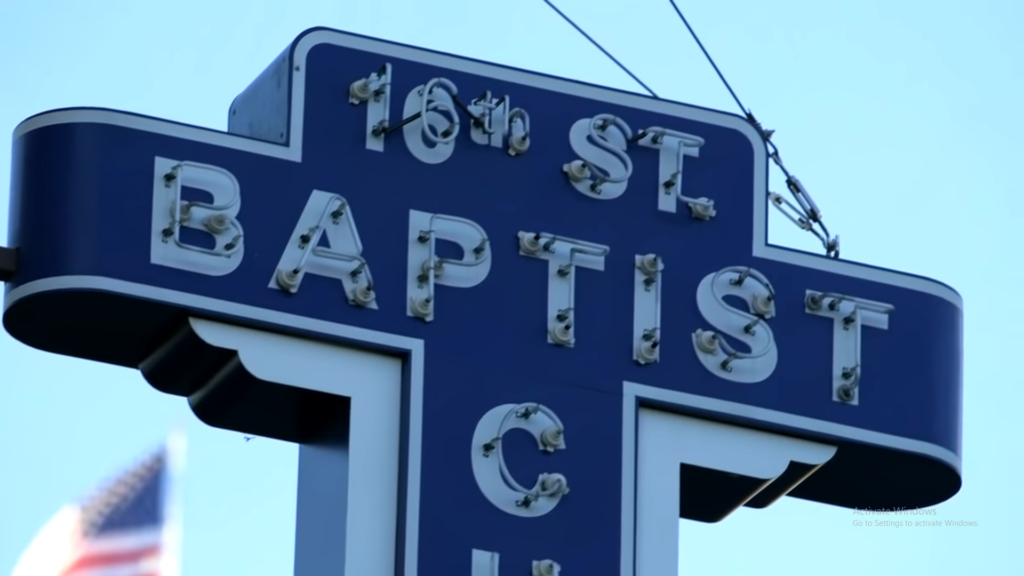
The 16th Street Baptist Church is a historic Black church located in Birmingham, Alabama, which is known for its vital role in the African American Civil Rights Movement. The church became a significant part of the city’s history during the 1960s when it served as a gathering place for civil rights activists, including Dr. Martin Luther King Jr.
However, the church’s history with Birmingham goes further back than its association with the Civil Rights Movement. The church was founded in 1873 as the First Colored Baptist Church of Birmingham, which later changed its name to 16th Street Baptist Church, and it has been part of the fabric of the city’s Black community ever since.
The early years of the church were marked by significant growth as more and more African Americans moved to Birmingham seeking employment opportunities. In 1883, a new brick building was erected to serve as the church’s home, which eventually became one of the largest places of worship for African Americans in the city.
In addition to serving as a spiritual center for local residents, the 16th Street Baptist Church also played an essential role in providing education and social services to Birmingham’s Black community. In 1885, the church established a school called the Tuggle Institute, which provided education to African American children at a time when public schools were segregated.
As the Jim Crow era took hold in the early 20th century, the church continued to be a source of strength and resilience for Birmingham’s Black citizens. During this time, segregation laws forced Black people to use separate facilities from their white counterparts, and discrimination was rampant across all aspects of life. Despite these obstacles, the members of 16th Street Baptist Church remained committed to their faith and community.
In 1948, Reverend A.D. King became the pastor of the 16th Street Baptist Church. King was an outspoken advocate for civil rights and worked alongside other activists to bring about change in Birmingham. Reverend King’s brother, Martin Luther King Jr., was a frequent guest speaker at the church, and his sermons inspired and energized the congregation.
One significant act of civil disobedience that occurred in Birmingham during this time was the Montgomery Bus Boycott, which began in December 1955. The boycott was a protest against the segregation of Alabama’s public transit system, and it lasted over a year, ultimately resulting in the U.S. Supreme Court ruling that segregation on public buses was unconstitutional.
The success of the bus boycott paved the way for other civil rights protests across the country, and Birmingham became a focal point for the movement. In 1962, Martin Luther King Jr. delivered a speech at the church in support of desegregation efforts in Birmingham, which further galvanized the congregation and inspired them to continue their fight for equality.
The following year, in 1963, Birmingham became ground zero for one of the most violent and significant civil rights protests in history. The Birmingham Campaign was organized by civil rights activists and aimed to end segregation in Birmingham’s public facilities, businesses, and employment opportunities.
The campaign included boycotts, sit-ins, and marches, which were met with violent resistance from both law enforcement and white supremacist groups. On April 12, 1963, Martin Luther King Jr. was arrested during a march in Birmingham and wrote his now-famous Letter from Birmingham Jail to fellow ministers explaining why he felt compelled to take action against racial injustice.
The Birmingham Campaign reached a boiling point on September 15, 1963, when a bomb exploded at the 16th Street Baptist Church while four young girls were attending Sunday school. The bombing killed Addie Mae Collins (14), Cynthia Wesley (14), Carole Robertson (14), and Denise McNair (11) and injured over 20 others.
The attack on 16th Street Baptist Church shocked the country and galvanized support for the Civil Rights Movement. The tragedy inspired many people to join the fight for equality and justice, and it helped to hasten the passage of the Civil Rights Act of 1964, which aimed to eliminate racial segregation and discrimination in the workplace, schools, and public facilities.
The aftermath of the bombing was marked by grief, anger, and activism. The families of the victims received support and condolences from across the country, and the church became a symbol of courage and resilience in the face of hate and violence.
Although the church was repaired after the bombing, it was later designated as a National Historic Landmark in 2006, recognizing its significance in the Civil Rights Movement. Today, the church remains an active place of worship and serves as a powerful reminder of the sacrifices made by civil rights activists in their fight for justice and equality.