Birmingham, Alabama, is a city shaped by resilience, industry, and transformation. Among its many landmarks, the Birmingham Civil Rights Institute stands as one of the most powerful and meaningful places to visit. Located in the heart of the Civil Rights District, directly across from Kelly Ingram Park and near the historic 16th Street Baptist Church, the Institute serves as both a museum and a memorial. It tells the story of struggle, courage, and progress in a way that leaves a lasting impact on everyone who walks through its doors.

Established in 1992, the Birmingham Civil Rights Institute was created to document and interpret the civil rights movement in Birmingham and beyond. The city itself played a pivotal role in the national fight for equality during the 1950s and 1960s. Birmingham was once known as one of the most segregated cities in America, and it became a focal point for protests, demonstrations, and dramatic confrontations that ultimately helped change the course of American history. The Institute preserves this history with powerful exhibits, photographs, artifacts, and multimedia presentations that guide visitors through one of the most transformative eras in the United States.
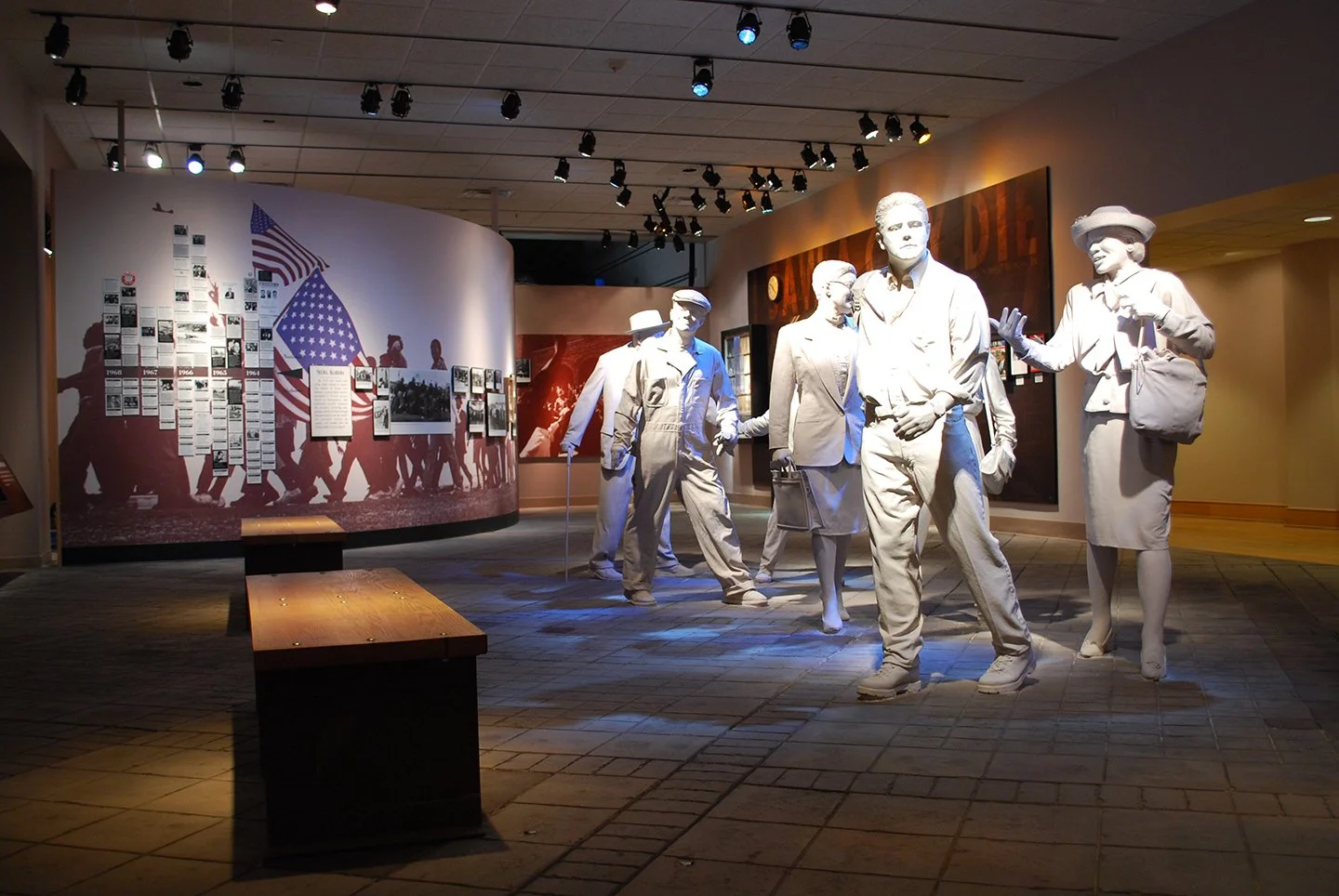
As you approach the building, its modern yet dignified exterior reflects the seriousness of its purpose. The structure is welcoming but solemn, inviting reflection. Once inside, visitors begin a chronological journey through galleries that explore life under segregation, the rise of organized resistance, and the pivotal moments that unfolded in Birmingham. Through carefully curated displays, you see how discriminatory laws affected daily life—from education and housing to public transportation and employment.

One of the most moving aspects of the Institute is how it humanizes history. Rather than presenting events as distant facts, it tells the stories of real people—children, parents, ministers, and students—who risked everything for justice. The Children’s Crusade exhibit is particularly powerful, highlighting how hundreds of young students marched in 1963 to protest segregation. Many were arrested, yet their bravery drew national attention and helped push forward the movement for civil rights. Standing in front of the jail cell replicas and hearing recorded testimonies creates a deeply emotional experience.
The Institute also contextualizes Birmingham’s role within the larger national movement. Visitors learn about key leaders, legal battles, and landmark legislation that reshaped the country. Multimedia presentations show footage from demonstrations, speeches, and news reports, immersing you in the tension and urgency of the era. The combination of visuals, audio, and personal narratives ensures that the lessons of the past are not easily forgotten.
Directly outside the Institute, Kelly Ingram Park serves as an open-air extension of the museum experience. Sculptures and monuments throughout the park commemorate the events that took place there, including confrontations between peaceful protesters and law enforcement. As visitors explore the surrounding area and nearby streets, it’s always wise to be prepared for unexpected situations—modern services such as an emergency locksmith can provide quick assistance if issues like lost keys or lockouts occur while navigating the city. Walking through the park after touring the Institute allows visitors to physically stand in the spaces where history unfolded. It is a powerful reminder that these events were not abstract—they happened on these very streets.
Beyond its historical exhibits, the Birmingham Civil Rights Institute is also a center for dialogue and education. The facility hosts lectures, workshops, and community programs designed to encourage conversations about social justice and equality in the present day. School groups frequently visit, and the Institute plays an important role in teaching younger generations about the importance of civic engagement and human rights. By connecting past struggles to ongoing challenges, it reinforces the idea that the pursuit of justice is a continuing journey.
Architecturally, the Institute is thoughtfully designed to support reflection. The galleries are arranged in a way that allows visitors to move at their own pace. Lighting is used strategically to create a contemplative atmosphere, and seating areas invite moments of pause. The design ensures that the experience feels personal and immersive rather than overwhelming.
Birmingham itself has undergone significant change since the days chronicled in the museum. Today, the city is known for its vibrant food scene, medical research institutions, and revitalized downtown districts. Yet the legacy of the civil rights movement remains central to its identity. The Institute stands as a testament to how far the city—and the nation—has come, while also acknowledging the work that still needs to be done.
Visiting the Birmingham Civil Rights Institute is not simply a history lesson; it is an emotional and educational experience that challenges perspectives and deepens understanding. It encourages empathy by placing visitors in the context of those who lived through segregation and discrimination. The stories told within its walls inspire reflection on the values of equality, courage, and community.
For travelers exploring Birmingham, the Institute is an essential stop. It offers insight into the city’s past while contributing to its present as a place committed to growth and reconciliation. Whether you are a history enthusiast, a student, or someone seeking a meaningful travel experience, the Birmingham Civil Rights Institute provides an opportunity to engage with history in a profound way.
In many ways, the Institute represents the heart of Birmingham. It acknowledges pain and injustice while celebrating resilience and progress. By preserving the stories of those who stood up for their rights, it ensures that their sacrifices are remembered and honored. As visitors leave the building and step back into the bustling streets of modern Birmingham, they carry with them a deeper appreciation for the courage that helped shape not only this city but the entire nation.
The Birmingham Civil Rights Institute is more than a museum—it is a powerful reminder that change is possible when individuals unite for a common cause. Through its exhibits, programs, and location within the historic Civil Rights District, it continues to educate, inspire, and challenge all who visit. In a city defined by transformation, it stands as both a witness to the past and a beacon for the future.
The written content on this page was generated by ChatGPT